
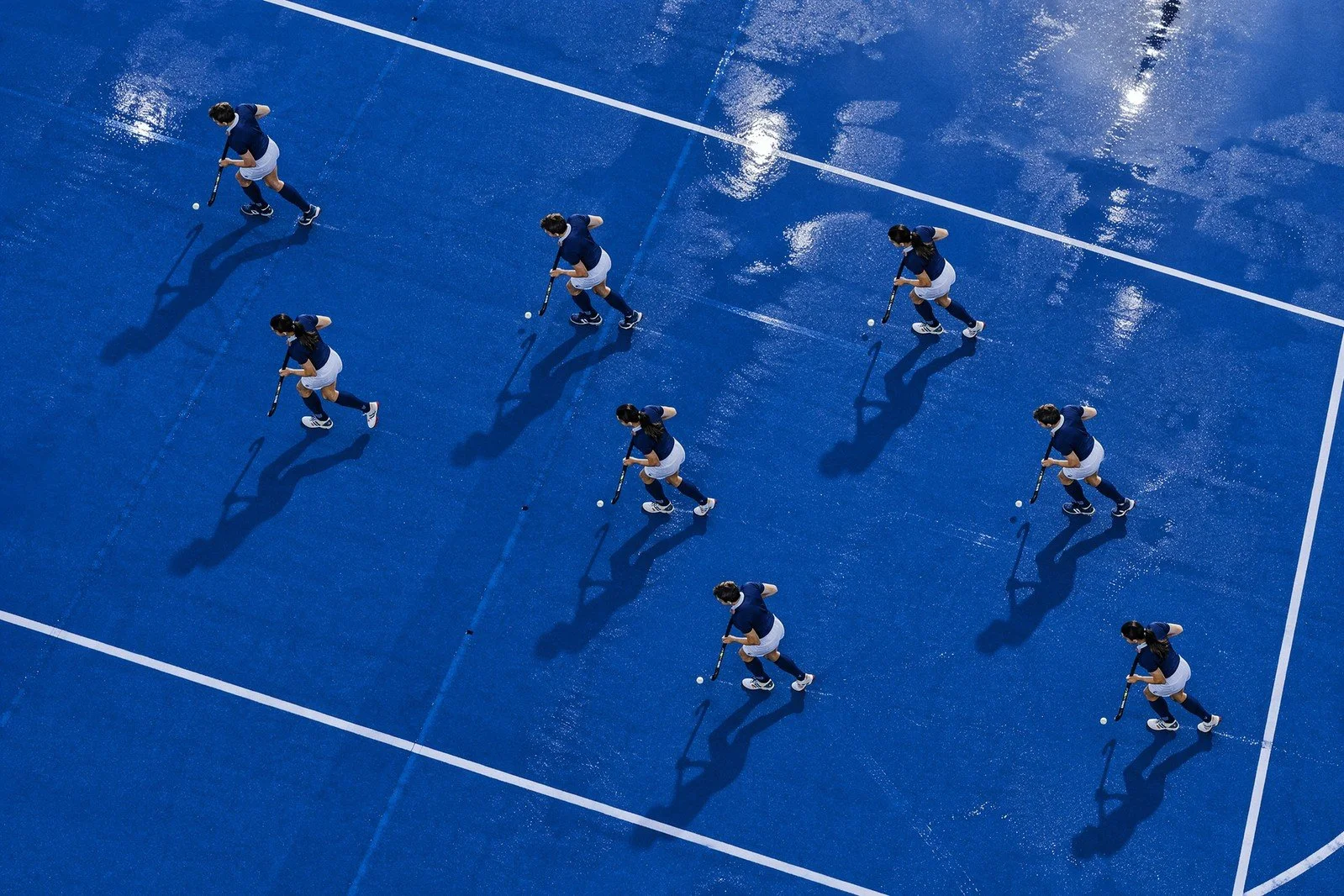
Breathing Training for Hockey Players
Elite hockey is played in clusters of short sprints with short recoveries. Here is what the hockey breath hold research shows, what it does not, and how to build it into a squad's program.
Exercise Induced Asthma in Athletes: Where Breathing Training Fits
Asthma is the most common chronic condition in Olympic athletes. Here is what the research shows on nasal breathing and breathing retraining, and why they work alongside medication, never instead of it.

Breathing Training for Cyclists
Cycling has controlled breath hold research done on the bike. Here is what it shows on repeated sprint power, what it does not, and how to build it into a training block.

Slow Breathing and HRV: What Coaches Need to Know
Breathing changes your morning HRV reading within minutes. Here is what the research shows, which markers to trust, and how to use slow breathing as a skill without corrupting your monitoring data.
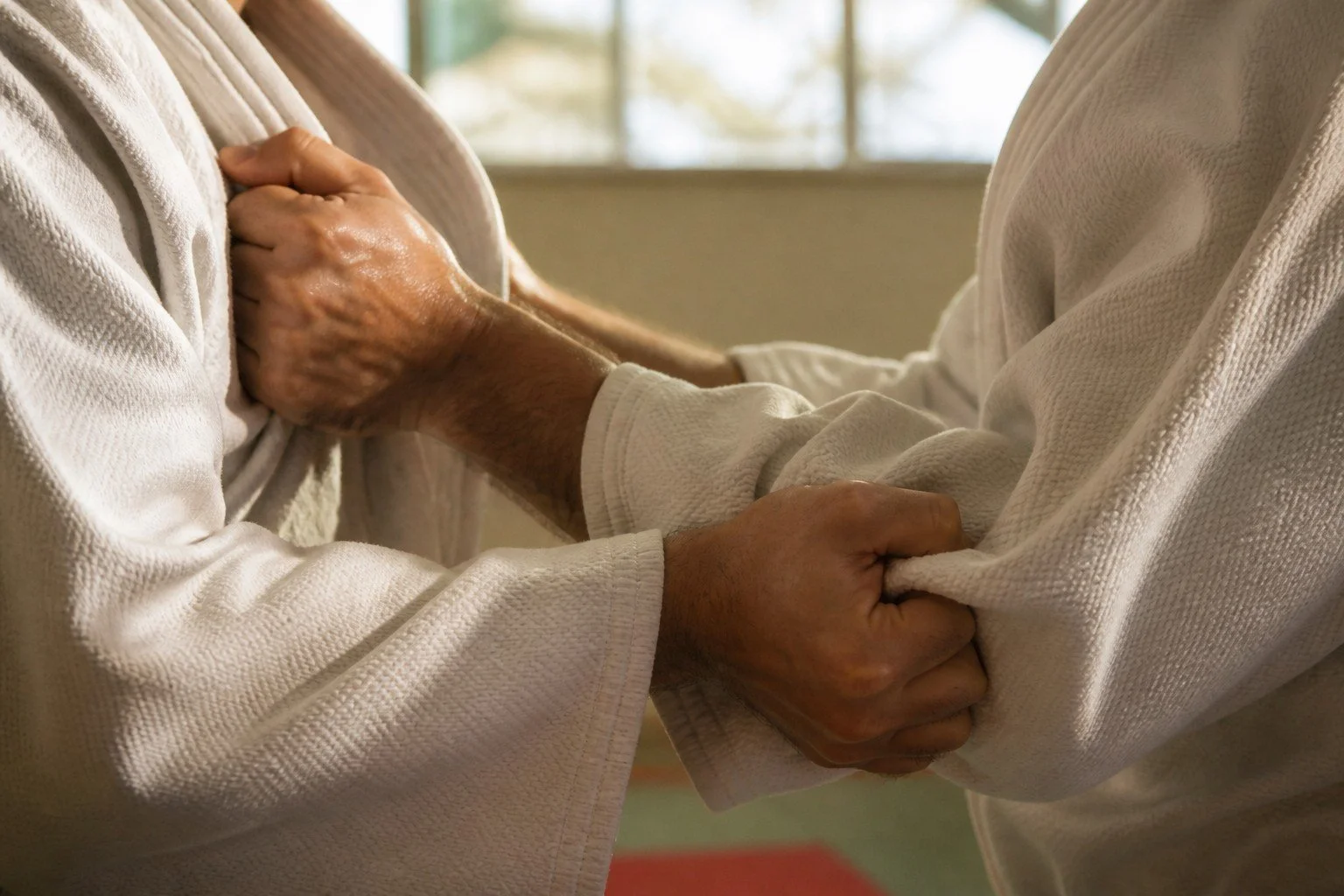
Breathing Training for Combat Sports
A controlled study in elite judo athletes shows breath hold sprint training can help fighters hold power late in repeated efforts. Here is what it found, what it did not, and how to time it in a fight camp.
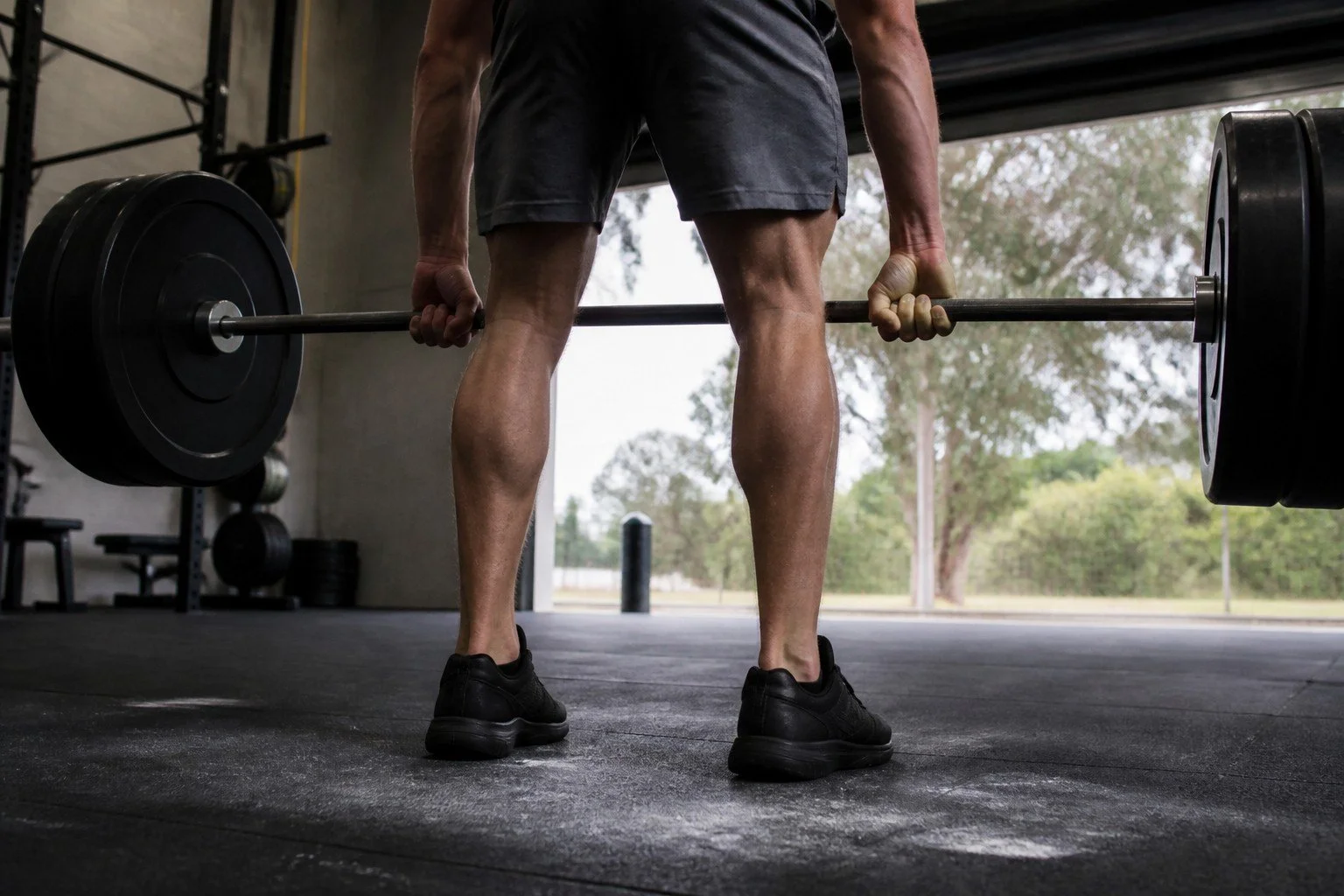
Breathing for Heavy Lifts: The Valsalva Manoeuvre Explained
Bracing makes the trunk stiffer, but it also drives blood pressure sky high. Here is what the research shows about the Valsalva manoeuvre and how to coach breathing in the weights room.

Breathing Training for Soccer Players
Soccer now has some of the most direct breath hold sprint research of any sport. Here is what it shows, what it does not, and how to build it into a team's week.

Breathing in the Heat: Why Athletes Over Breathe and How to Control It
As core temperature rises, athletes breathe more than they need, blowing off CO2 and cutting blood flow to the brain. Here is what the research shows and how to build breath control into your heat plan.

Breathing Training for Rugby League Players
Breath hold sprint training will not make your forwards faster, but the evidence says it helps them repeat high intensity efforts for longer. Here is what the research shows and how to program it.

Breathing Training for Basketball Players
A controlled study in basketball players found breath hold sprint training cut sprint fatigue without changing top speed. Here is what that means for your rotation.
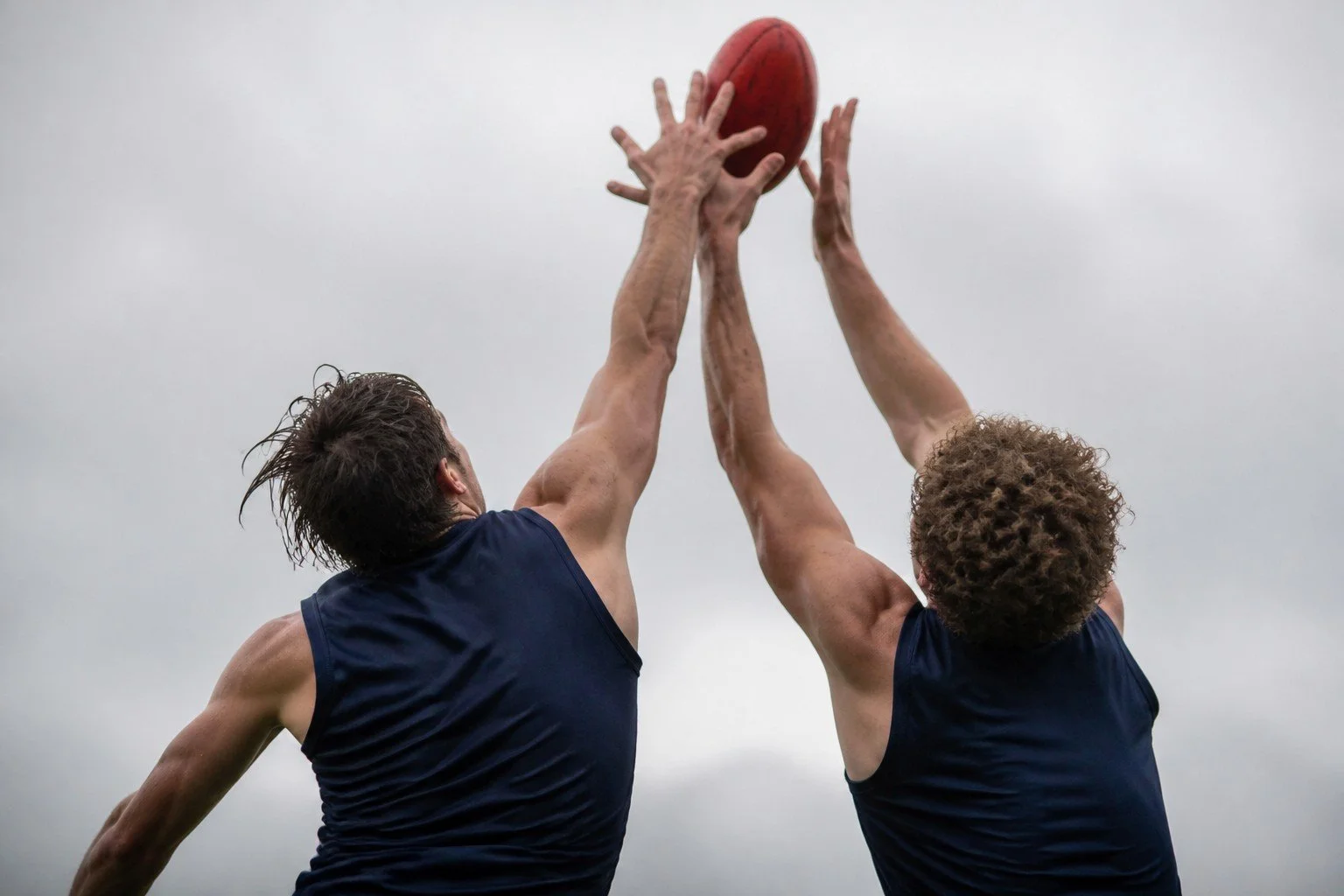
Breathing Training for AFL Footballers
There is no AFL specific study yet, but team sport research on breath hold sprint training points to better repeat effort capacity. Here is the evidence, clearly labelled.

Breathing Training for Netball Players
No netball study exists yet. The closest evidence, from female soccer and basketball players, shows breath hold sprint training improves repeated sprint ability. Here is what it means for netball.

Breathing Training for Swimmers
Breath hold sprint training has research behind it in swimming, but in water the risk is shallow water blackout. Here is the evidence and why we keep breath hold work on land.
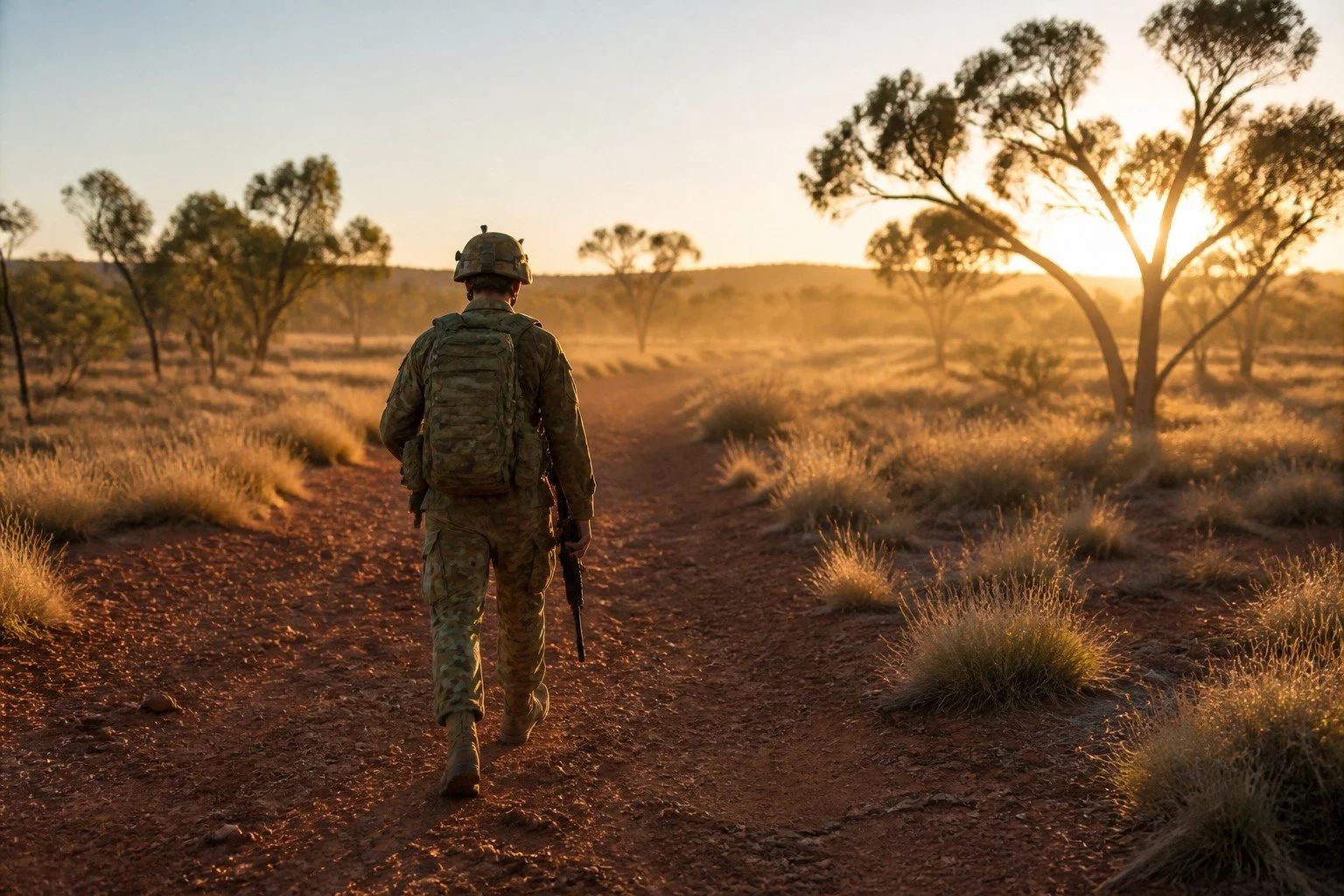
Tactical Breathing for the Military and ADF
Tactical breathing is taught across military and police units. Here is what the soldier and police studies actually show, and why one session is not enough.

How to Improve Your BOLT Score
How to test your BOLT score, how to train it and why the research says to treat it as a breathing self check, not a predictor of elite performance.

Nasal Breathing During Training: What the Research Shows
Nasal breathing lowers ventilation and breathing frequency at low intensity without changing effort. Here is what the research shows and where its limits are.

Recover Faster Between Efforts With Your Breathing
Hands on knees and a slow exhale win the first minute of recovery. Here is what the research shows about breathing between efforts, including what did not work.
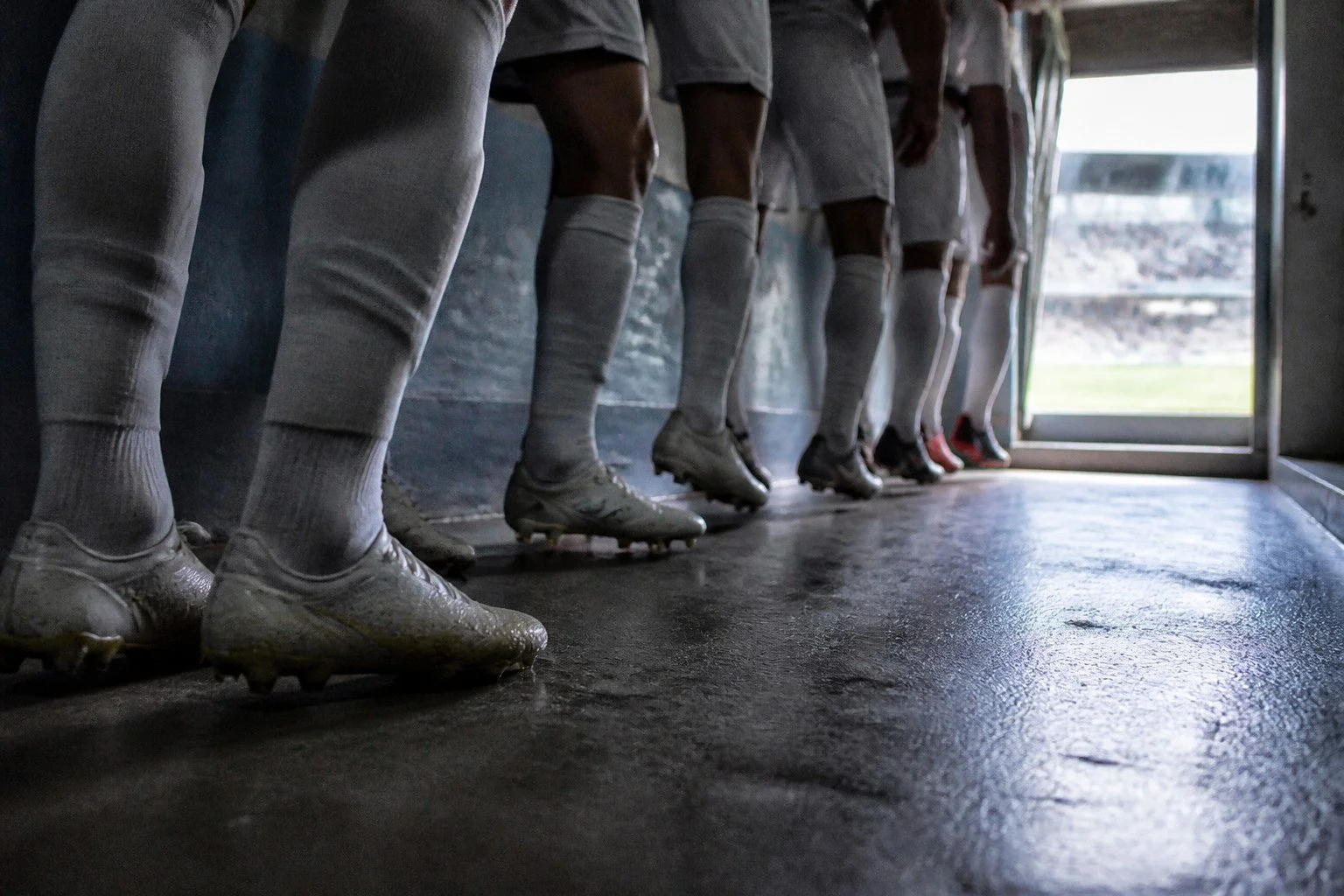
Breathing to Control Pre Game Nerves
Nerves mean you are ready. Here is what the research shows about using slow breathing and longer exhales to bring arousal back into range before you compete.
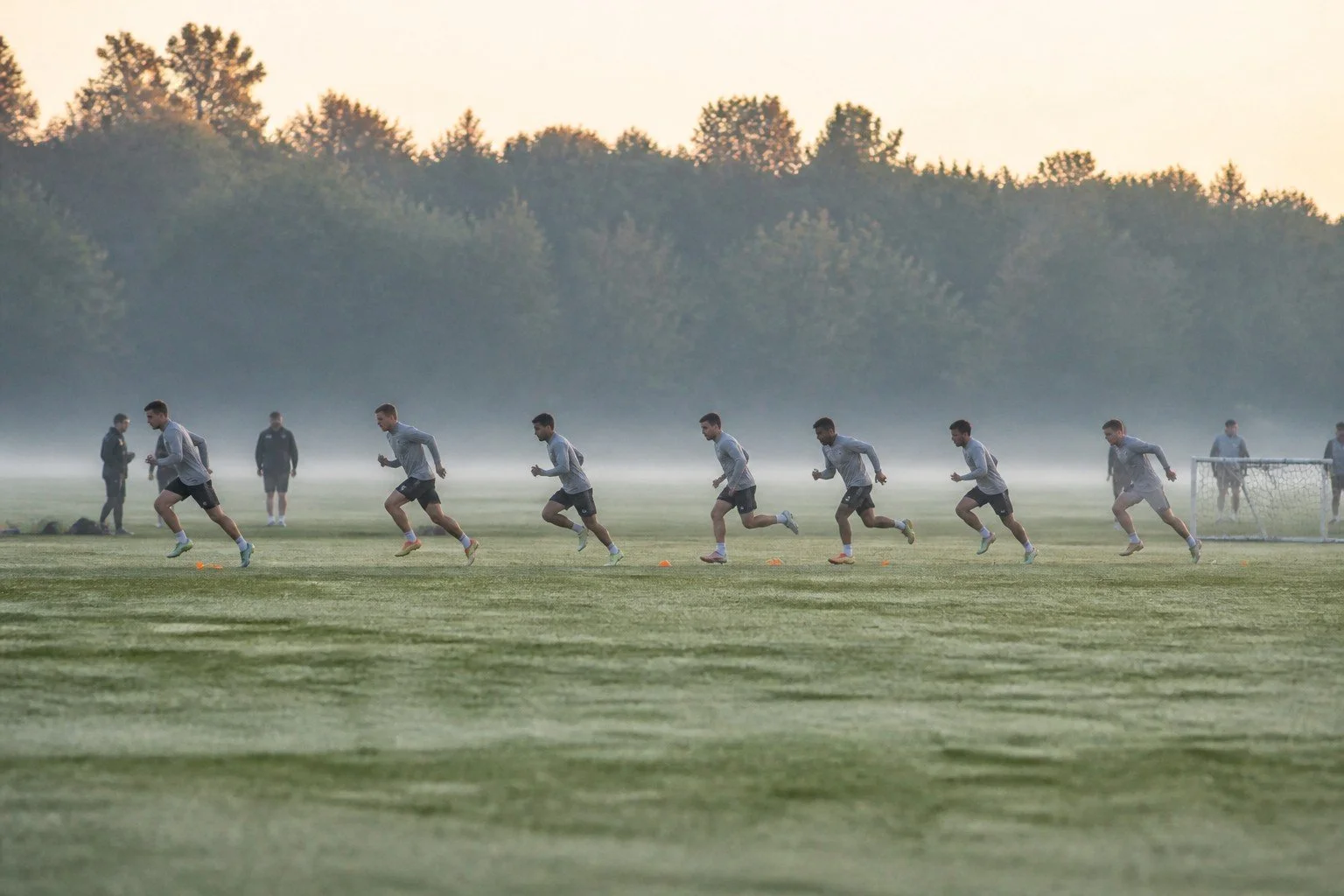
Repeated Sprint Ability: Why It Decides Games
Late game sprint quality decides tight contests. Here is what limits repeated sprint ability and what the research shows about training it with breath holds.

Altitude Training Without Altitude: Breath Holds Explained
Breath holds at low lung volume make sprint sessions hypoxic at sea level. Here is how that honestly compares with altitude camps and hypoxic chambers.